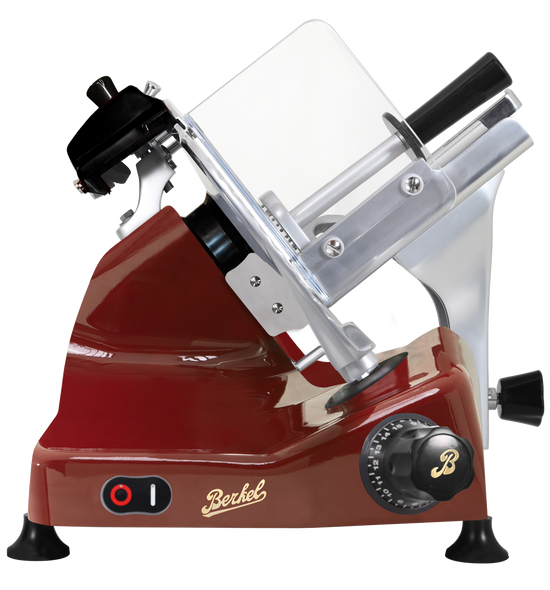
Food machinery can contain stainless steel, aluminium, plastic, rubber, and painted metal. These materials serve different purposes, so they do not all need the same properties or food-grade suitability.
When choosing equipment or a replacement part, check where the material will be used, whether it could contact food, and how it will be cleaned. This guide explains what "food grade" actually means, why machines contain non-food-grade parts, and how to verify materials when maintaining your equipment.
What Does “Food Grade” Mean?
Food grade generally describes a material or article that is suitable for its intended contact with food. That suitability depends on the food, temperature, and how long contact lasts. A component must also withstand the machine’s operating conditions and cleaning process.
In general, food-grade means that a product is safe to come into contact with food. A "food-grade material" is a material that is suitable and intended for contact with food. Those conditions include the type of food (e.g. acidic vs fatty), the operating temperature, the duration of contact, and the required cleaning process.
In law, the more precise regulatory term is food-contact materials and articles. General requirements address the transfer of chemical substances from the machine's materials into the food. Under normal or foreseeable use, that chemical transfer must not:
- Endanger human health.
- Cause an unacceptable change in the food’s composition.
- Spoil its taste, smell, or other sensory characteristics.
Small amounts of substances can transfer from a material into food. This is known as migration. Food-contact materials must meet the general safety requirements, and some categories, including plastics, have additional rules covering their composition and migration limits. The supplier’s documentation should identify any restrictions on use.
Generic material names such as “stainless steel”, “silicone” and “polyethylene” do not establish whether a particular component is suitable. Check the exact grade and the intended use stated by its supplier.
Why Does Material Choice Matter in Food Machinery?
Material choice affects food safety, cleaning, and the working life of the machine:
- Contamination: Food-contact components must be suitable for their intended use. They also need enough strength and wear resistance for the job.
- Cleaning: Surfaces and joints should be easy to reach and clean, without gaps that trap food.
- Resistance: Materials need to withstand the foods and cleaning products used, at the specified temperatures and concentrations.
- Performance: A blade needs different properties from a flexible seal or a plastic guide.
Suitable materials still need good design. A stainless-steel bowl can be difficult to clean if its joints trap food or cannot be reached. The finish, construction, and cleaning access matter alongside the material itself.
Common Food-Contact Materials
These are material families available in specific food-contact grades or formulations. They are not automatic approvals for every version of that material.
| Material | Examples | Why it is used |
|---|---|---|
| Stainless steel | Hoppers, bowls, work surfaces, and processing components. | Commonly chosen for corrosion resistance and cleanability. The appropriate grade depends on the food, cleaning chemicals, and operating conditions. |
| Suitable aluminium alloys and surface treatments | Slicer structures and components. | Aluminium is widely used in food equipment, but suitability depends heavily on the specific alloy, surface finish, and application. You must follow strict restrictions concerning highly acidic foods and aggressive cleaning products. |
| High-density polyethylene (HDPE) | Cutting tops and preparation surfaces, such as polytops. | A food-contact grade can provide a durable cutting surface. Check temperature limits, cleaning instructions, and wear limits. |
| Engineering plastics (such as acetal/POM and UHMW polyethylene) | Guides, scrapers, wear strips, and internal machine parts. | Food-contact versions are available. The exact chemical grade, added colourants, and finished component need to perfectly suit the application. |
| Food-contact elastomers (including suitable silicone, EPDM, and NBR compounds) | Seals and gaskets. | Different rubber compounds respond very differently to animal fats, high heat, and cleaning chemicals. Matching the physical dimensions alone is completely insufficient when replacing a seal. |
Do not assume every component in a "stainless-steel machine" is made from the same grade of steel. Different steel grades have completely different uses and suitability.
Which Non-Food-Contact Materials Might a Machine Contain?
Some machine components are not intended for food contact. Depending on the design, these might include painted steel supports inside the base, electrical wiring and insulation, or a drive belt behind a protective cover.
These parts do not need the same properties as a food contact area, but the machine must prevent them from contaminating food. Consider foreseeable routes such as leaks, flakes or fragments, rather than only whether the component normally touches the product.
Damaged covers or protective coatings may compromise that protection and should be assessed before the machine is used again.
| Material or Component | Where It May Be Found | What Matters |
|---|---|---|
| Ordinary painted mild-steel components | Internal motor supports, chassis frames, or enclosed outer housings. | Food must not be exposed to unsuitable paint, underlying corrosion, or flaking material. |
| Copper conductors and electrical insulation | Motors, internal wiring, and sealed electrical compartments. | These components need highly effective, watertight physical separation from the food zone. |
| General-purpose rubber compounds | Drive belts, anti-slip feet, and internal vibration mounts. | Their suitability for those mechanical jobs does not establish suitability as a food-contact seal or gasket. |
| Insulating foams and thermal materials | Enclosed equipment panels and refrigerator walls. | They should remain securely contained so physical deterioration cannot contaminate food. |
| General-purpose adhesives, paints, and sealants | Assembly and finishing entirely outside food-contact areas. | They should absolutely not be substituted into food-contact repairs without strict confirmation of suitability. |
"Not normally touching food" is not an adequate defense if a material can drip, flake, or reach the food zone.
An enclosed support bracket does not need to perform the same hygienic job as a mincer hopper. However, the machine's design must prevent those unsuitable materials from contaminating the food. Physical damage to an enclosure or a waterproof coating completely changes that safety situation.
Carbon steel, aluminium, wood, and plastics are not universally prohibited. Suitability depends entirely on the particular article and application.
Why Operating Conditions Change Suitability
A material is only "food grade" under its specific operating conditions.
- Fatty foods: A seal suitable for hot water is not automatically suitable for prolonged contact with animal fat. Check the particular rubber compound against both the food and the cleaning process.
- Acidic or salty foods: Check the machine’s instructions before changing products. For example, Berkel advises against contact between the aluminium components of its Pro Line XS slicers and strongly acidic or highly salted foods.
- Cleaning: A component can be suitable for processing food but unsuitable for a dishwasher or a particular cleaning chemical. Follow the specified cleaning method, concentration, and temperature.
Food-contact suitability and working performance both need checking. Two replacement parts can look alike and have the same dimensions without being interchangeable. A gasket must suit the food, operating temperature, and cleaning process, as well as the machine’s requirements for fit and sealing performance. Confirm compatibility with the exact model before fitting it.
What Information Should Customers Request?
When buying equipment or critical spare parts, request:
- The material grade or rubber compound, where relevant.
- Confirmation of the intended food-contact application.
- Permitted food types, contact temperatures, and maximum durations.
- Any cleaning and disinfection restrictions.
- Compatibility with your exact machine model.
- Relevant compliance documentation and supplier traceability.
A written Declaration of Compliance is required for plastic food-contact materials and articles covered by the plastics rules at supply stages other than retail. Ask what documentation applies to the particular item and make sure it identifies the material or part supplied. If a part has been made from plastic stock material, check suitability for the finished component and its intended use.
A CE or UKCA marking does not replace the need to check the intended food-contact use and supporting technical information for a component.
Suitable Materials Still Need Inspection and Maintenance
Food-contact parts need regular checks throughout their working life. Follow the manufacturer’s inspection and maintenance instructions, and check accessible components during routine cleaning. During deep cleaning, inspect all parts for:
- Cracked, distorted, or heavily worn plastic components.
- Split, swollen, or hardened rubber seals.
- Corrosion or deep pitting on metal.
- Flaking coatings.
- Any damage that prevents effective cleaning.
If damage could contaminate food, cause a component to fail, or prevent effective cleaning, stop using the affected equipment until the problem has been assessed. Follow the manufacturer’s repair or replacement instructions. Do not make an improvised repair to a food-contact surface with an adhesive or sealant whose suitability has not been confirmed.
When choosing equipment or a replacement part, check the material specification, intended use, and machine instructions together. If you need help identifying a suitable part, contact our servicing team with the machine’s make, model, and serial number, along with the part number or a photograph.